05
画面
PRODUCT · TOUR
The observatory, in motion.
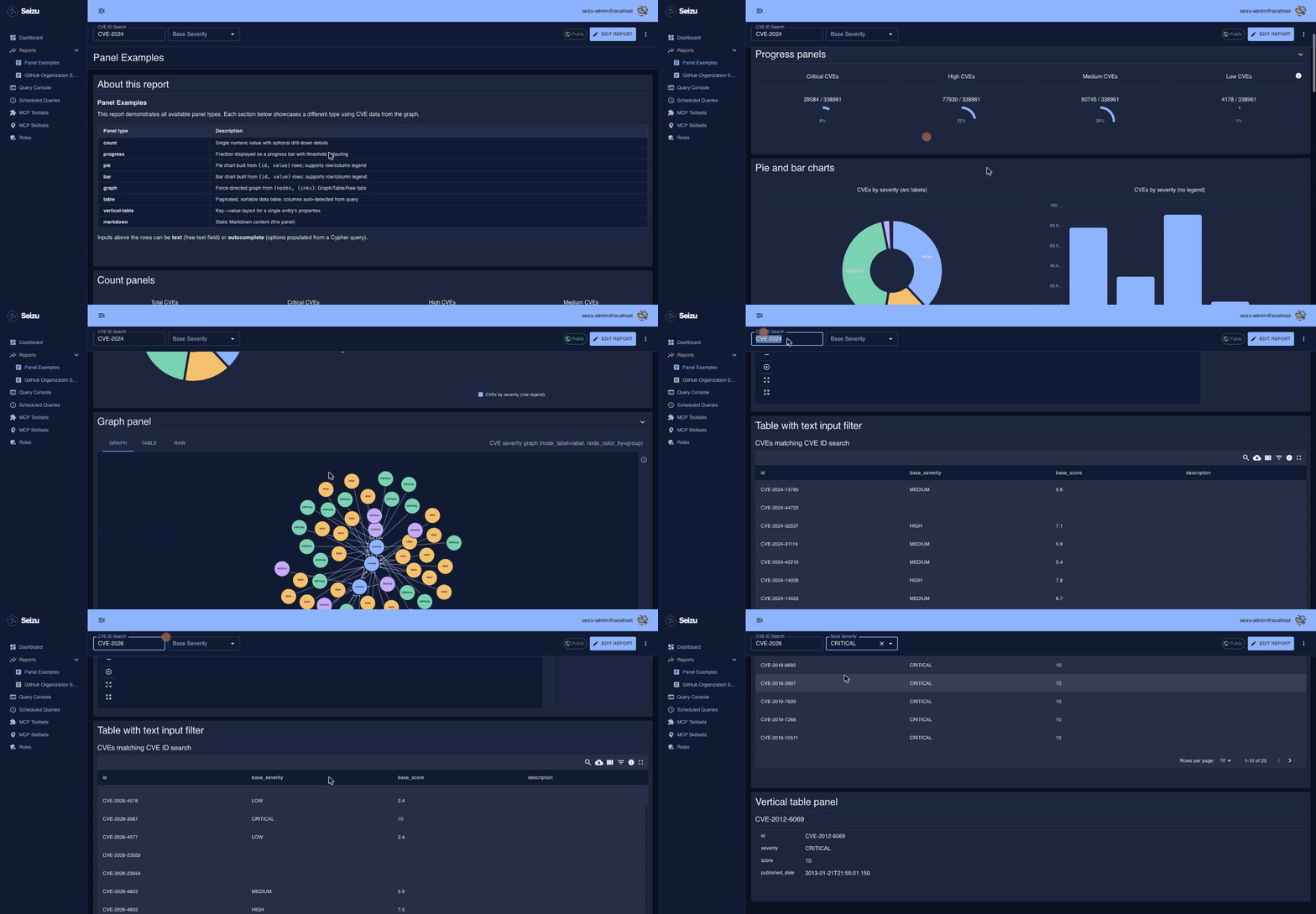
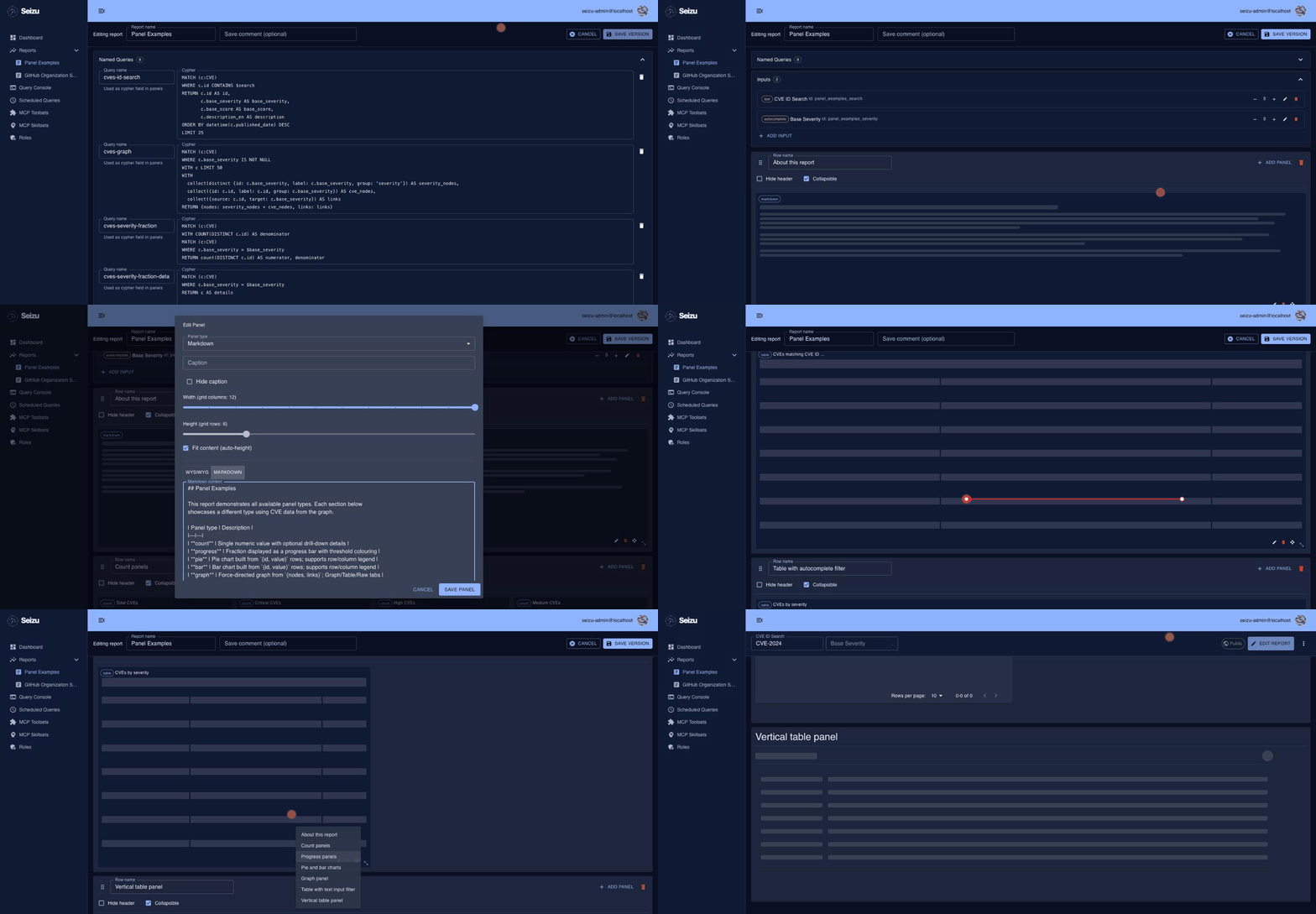
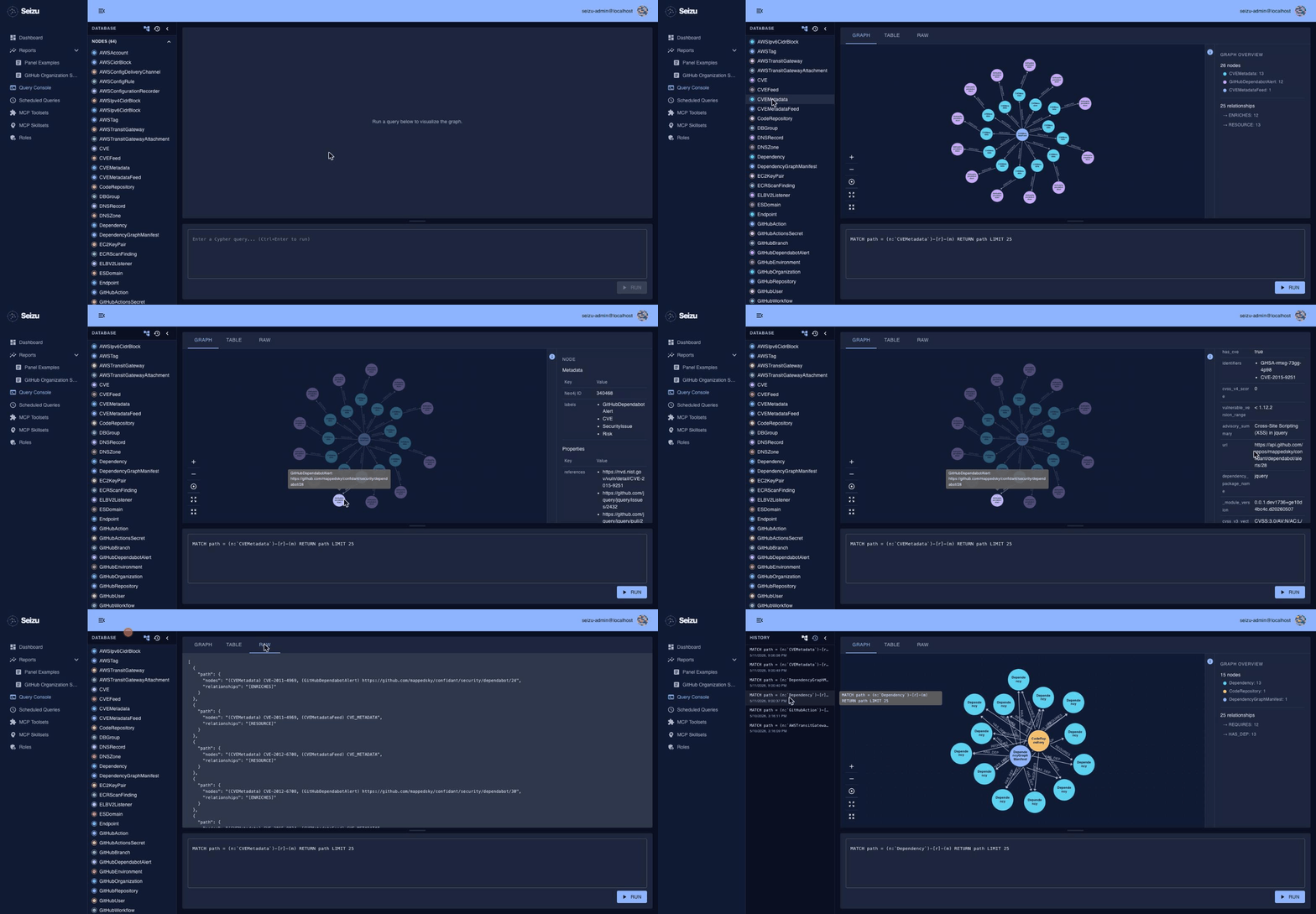
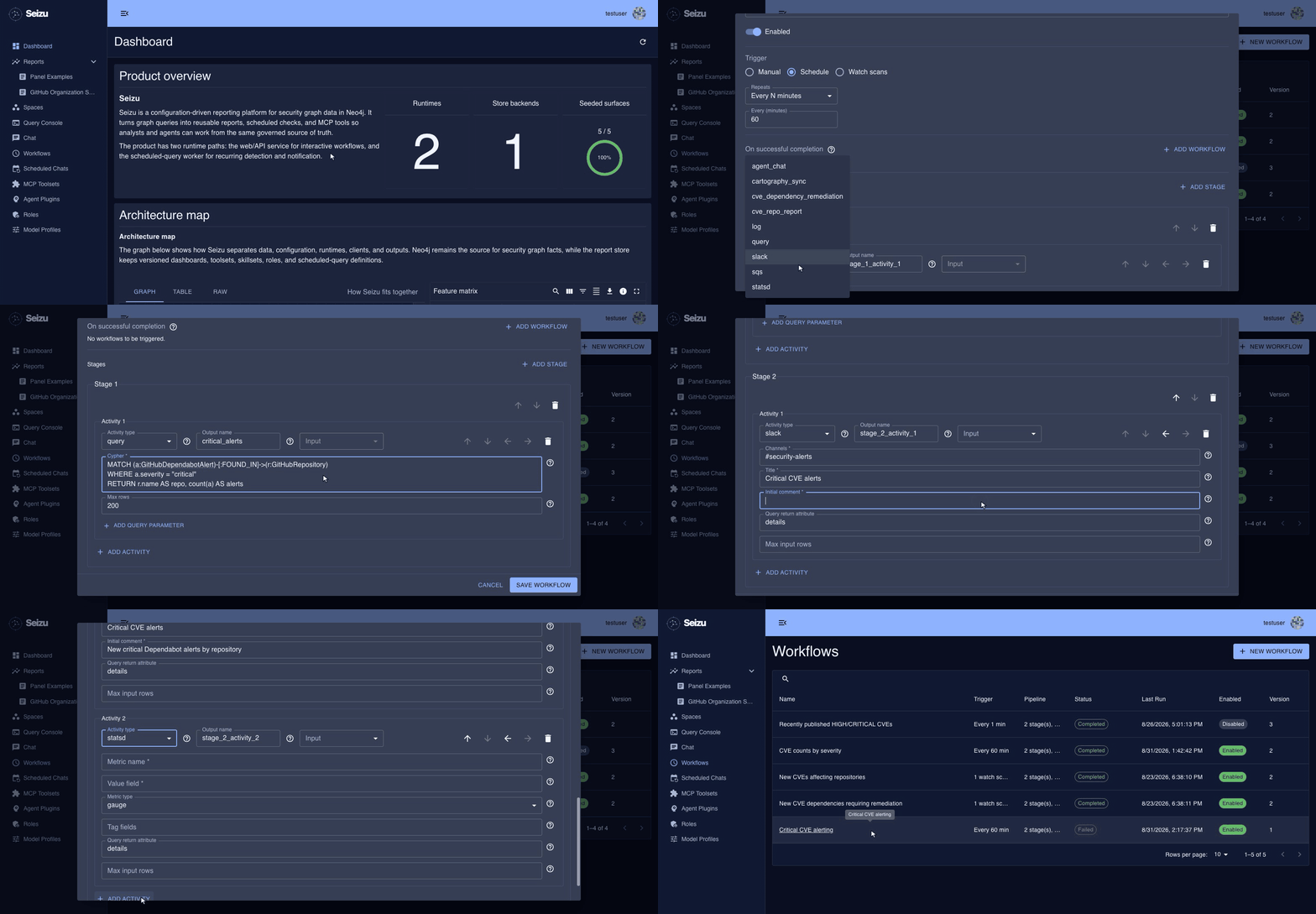
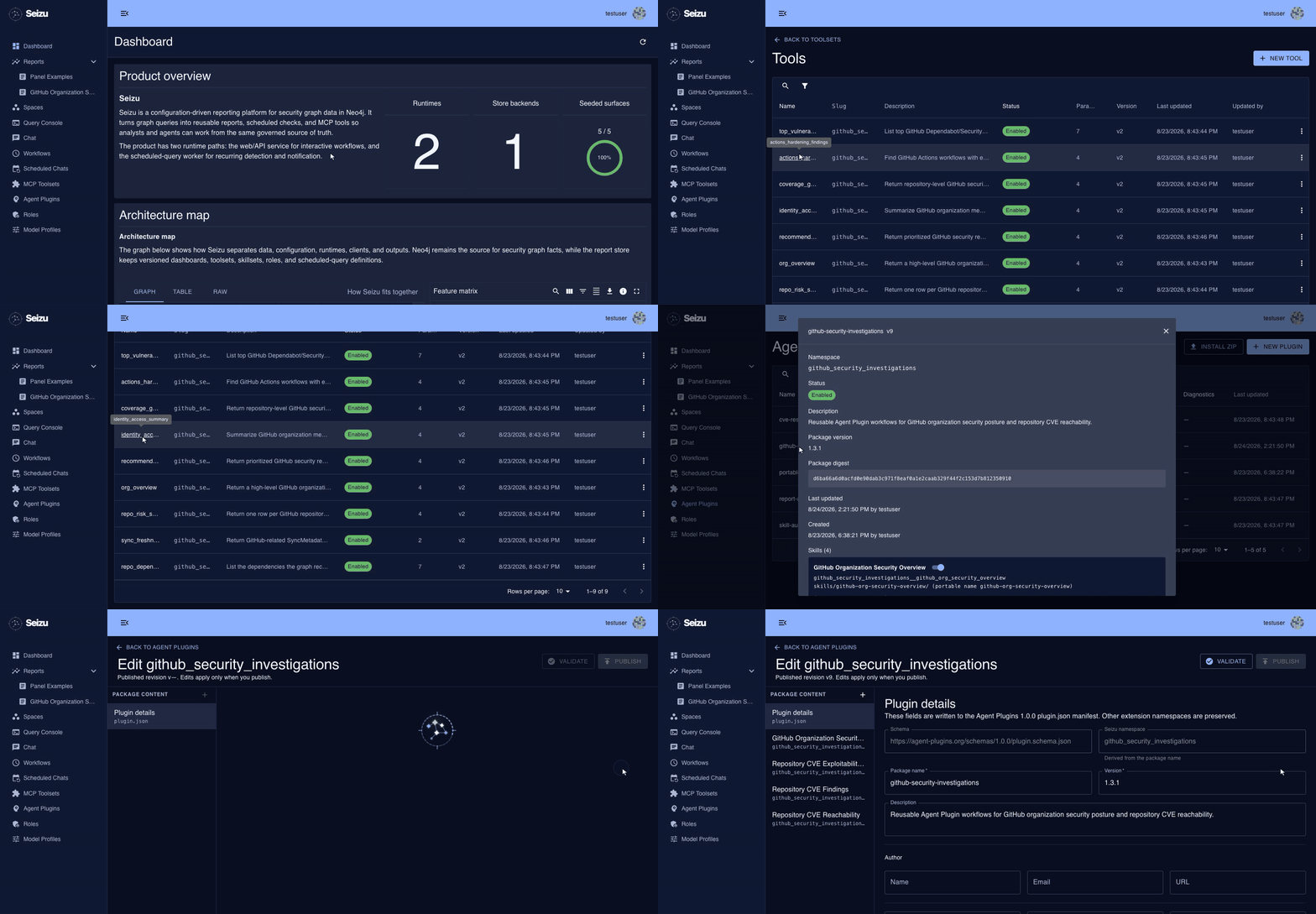
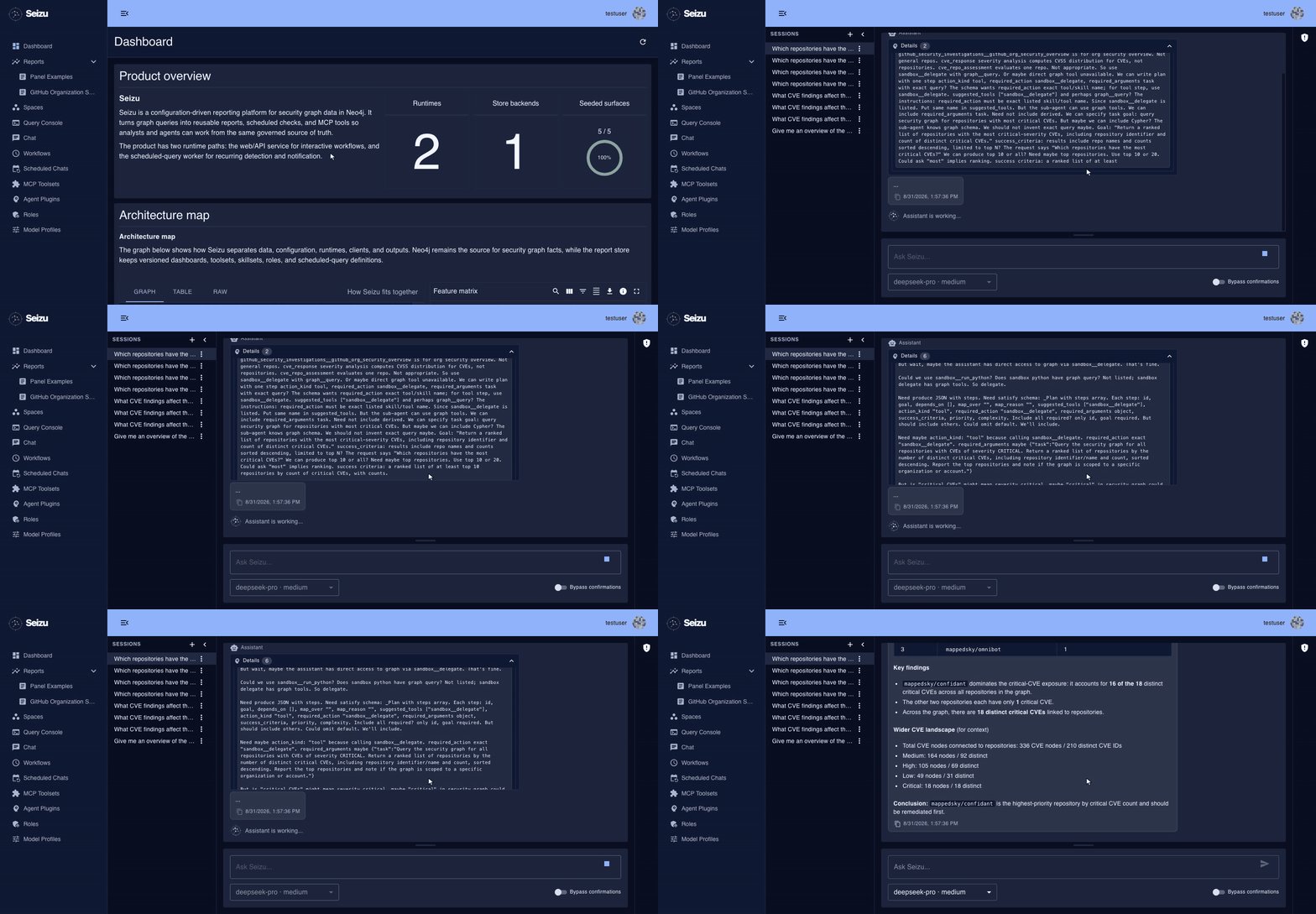
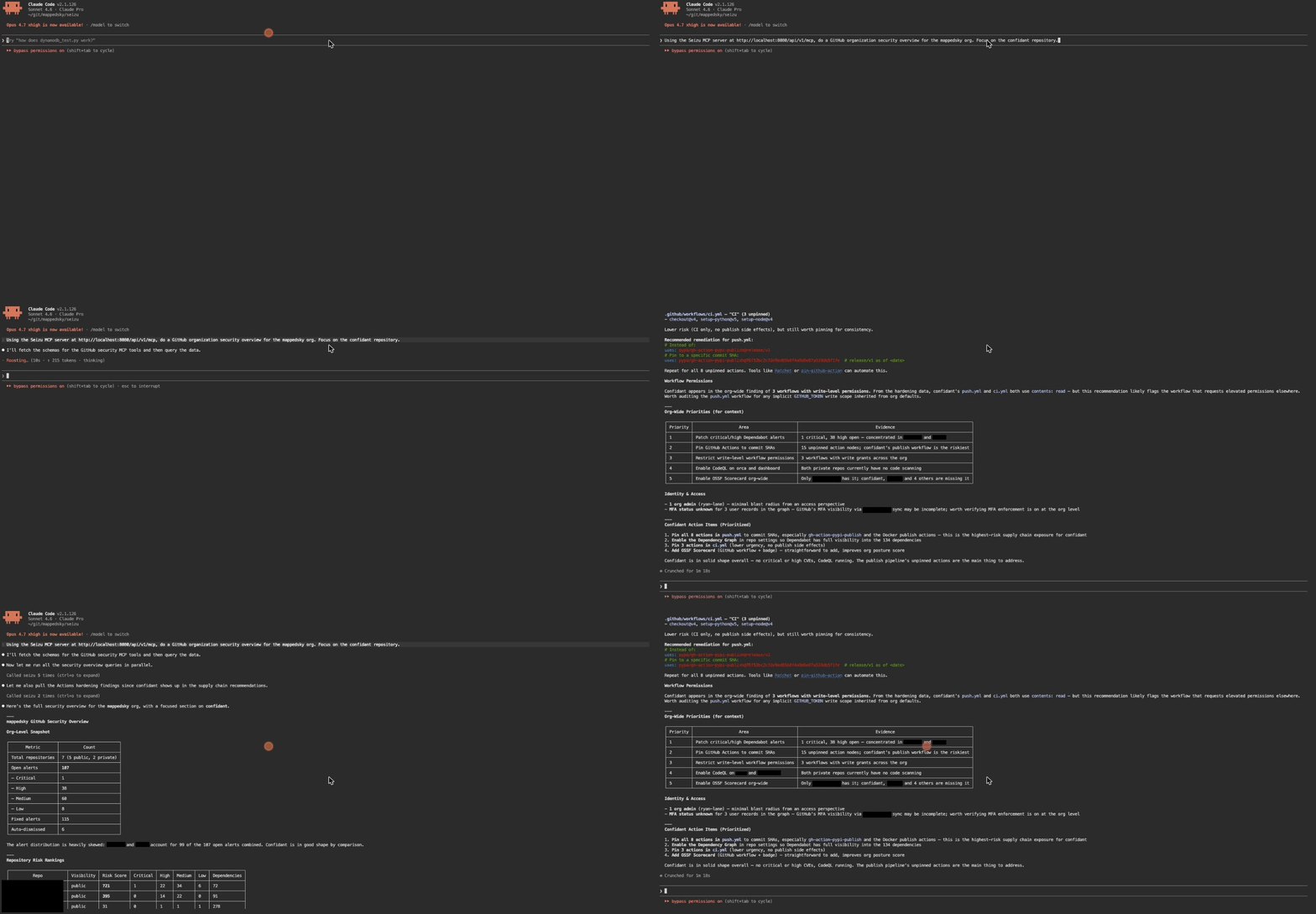
Seizu turns your Neo4j graph of cloud inventory, identities, vulnerabilities and relationships into dashboards, ad-hoc Cypher and durable workflows, with an AI agent that investigates alongside you and an MCP endpoint for the agents you already run.
Seizu (星図) is the Japanese word for star chart. It's also a React + Python frontend for Neo4j graph databases, built for humans who need to navigate sprawling infrastructure graphs, and for the LLM agents that investigate them alongside you.
Point it at a Cartography graph and you get dashboards and spaces, ad-hoc Cypher, durable workflows, and an MCP endpoint your agents can query, plus an agent of its own, planning and investigating with exactly the tools your roles allow.
Assemble reports visually, the way you would in Grafana: rows, panels, charts, tables, graph views. Every save is a version, and the whole config still imports and exports as code.
Gather related reports into named spaces and sub-spaces, and pin one as the space's landing page. Filing a draft into a space publishes it, so everything in a space is something your team can actually open.
Interactive Cypher with graph, table, and raw result views. A collapsible schema browser shows every node label, relationship, and property key.
A chat assistant that routes, plans, investigates and verifies, holding exactly the permissions and tools you already have. The same agent runs in chat, in workflows and on a schedule, and keeps working in the background.
Package skills, references, scripts and assets as Agent Plugins 1.0, the open format Claude Code and other harnesses already read, so a plugin written here is not stuck here. Author, version and publish them in the built-in editor.
Delegate code and file work to an ephemeral sandbox holding none of Seizu's credentials and no route to its data stores. It survives between turns and is reaped when the session is deleted.
Serve Cypher-backed tools and built-in graph, report, space and plugin groups at /api/v1/mcp, speaking the current protocol revision and every earlier one from a single endpoint.
Reach other MCP servers through operator-run proxies. Tools are discovered per user, namespaced ext__proxy__tool, confirmation-decided per tool, and never re-exported from Seizu.
Admins name a primary model, an economy fallback, per-stage overrides and a cost cap in the database. Users pick a profile and a reasoning level as they chat.
Ordered stages of parallel activities with named outputs, run on a schedule, on a graph change, or from another workflow. Temporal owns the history, so a tick missed during downtime is caught up, not lost.
A prompt and a trigger. The run happens headlessly with its creator's permissions, and every run is kept on the schedule's own history page as a transcript you can read back.
OIDC with PKCE, refresh tokens sealed in an encrypted HttpOnly cookie, and hierarchical roles you can extend, enforced identically across REST, the CLI, MCP and chat.
Seizu's chat assistant works the graph the way an analyst does: it routes the question, writes a plan, runs the plan's independent steps in parallel, verifies each one, and synthesizes an answer with its working shown. It holds your permissions, and it stops for your approval before it changes anything.
A workflow is an ordered list of stages. Activities in one stage start together; the next stage waits for every one of them, and each publishes a named output that later stages consume. Run one on a schedule, on a change in the graph, or from another workflow; Temporal owns the schedule and the execution history, so a tick missed during downtime is caught up rather than quietly dropped.
Run cartography's own ingest modules on a schedule, each in its own child workflow with a per-module mutex, on a dedicated worker that holds intel credentials and nothing from Seizu's store.
Where a report assesses, this one fixes: a headless coding agent in a sandbox upgrades the vulnerable dependency across every affected manifest, then pushes a version-keyed branch and opens the pull request. The agent writing that code never has access to the credentials used to push it.
The general-purpose AI activity. You write the prompt; it runs a headless agent session as the workflow's creator and publishes the summary as a named output. Referenced rows arrive as untrusted evidence, never as instructions.
Cypher in any stage, with an earlier output bound to $input, and results
routed wherever you already watch. Add your own activity module and it shows up in the
editor with a form of its own.
Scheduled chats are the same idea without the pipeline: a prompt, a trigger, and a headless run kept on the schedule's own history page as a transcript you can read back.
Seizu pairs naturally with cartography (CNCF) and Starbase. Cartography ingests your cloud, identity, and SaaS inventory into Neo4j; Seizu is the lens that makes it legible.
MATCH (u:AWSUser)-[:MEMBER_OF*0..]->(g)
      -[:POLICY]->(p:AWSPolicy)
WHERE p.admin = true AND u.mfa = false
RETURN u.arn, g.name, p.name
Seizu ships an MCP server at /api/v1/mcp, speaking protocol revision
2026-07-28 and every earlier one from a single endpoint. Define Cypher-backed
tools from the UI or in YAML, and Claude, Cursor, or any MCP-aware agent investigates your
graph the way a security engineer would, bounded by the same roles your people are and by
result limits sized for a client instead of a context window.
investigate_vulnerabilities()
audit_iam_posture()
trace_blast_radius()
This is the endpoint your own agents connect to. Seizu's built-in assistant speaks the same inventory from the inside, and can reach third-party MCP servers through operator-run proxies, discovered per user, because a tool listing is itself privileged information.
“When an IAM user gets an admin-policy attached, who approved it and what can they reach?”
“Which internet-facing workloads still have CVE-2024-XXXX, and which identities can access them?”
“What changed in our blast radius since last Tuesday?”
“If this GitHub token leaks, what production resources are reachable?”
“Find every repo pinned to a vulnerable version and open the upgrade PRs before standup.”
“Tell me what moved while I was asleep, and whether any of it deserves my morning.”
Spin up Seizu with docker-compose in under ten minutes, point it at your Neo4j instance, and start seeing your infrastructure the way it actually connects, with an agent already reading the same sky.